Buy Female Viagra Online: Best Prices and Fast Delivery
- Buy Female Viagra Online: Best Prices and Fast Delivery
- Prescription Options and Clinical Dosage for Libido Enhancement
- Commonly Prescribed Pharmacological Interventions
- Clinical Dosage and Typical Cost Structures
- Current Market Pricing and Cost Analysis in USD
- Navigating Insurance and Out-of-Pocket Expenses
- The Hidden Costs of Long-Term Management
- Navigating Online Pharmacies and Safe Purchasing Protocols
- Verifying Digital Credentials and Licenses
- Red Flags in Online Transactions
- Shipping Logistics and Discreet Delivery Standards
- Protecting Your Personal Information in Transit
- Handling Deliveries and Maintaining Secrecy
- Comparative Analysis of Hormonal vs Non-Hormonal Treatments
- Navigating the Biological Landscape
- The Mechanics of Hormonal Interventions
- The Direct Approach of Non-Hormonal Options
- A Side-by-Side Comparison
- Practical Usage Scenarios and Lifestyle Integration
- Navigating Daily Routines and Timing
- Balancing Wellness and Intimacy
- Cost and Accessibility Planning
- Contact & directions
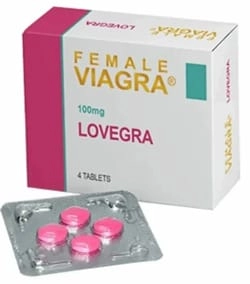
Buy Female Viagra Online: Best Prices and Fast Delivery
Prescription Options and Clinical Dosage for Libido Enhancement
Walking down the pharmacy aisle looking for intimacy solutions can feel like wandering through a labyrinth without a map. Unlike the well-known blue pills designed for men, female hormonal and neurochemical interventions are a different beast entirely. Doctors often look at the biological “why” behind a sudden drop in desire, treating the root cause rather than just the symptom.
For many women, the struggle isn’t a lack of interest, but a disconnect in the brain’s reward system. When the biological spark fades, a physician might suggest medications that target neurotransmitters like dopamine or norepinephrine. It is not a magic wand, but a way to turn down the volume on stress and turn up the signal for connection.
Clinical approaches vary wildly depending on whether the issue is hormonal or psychological. Some women find success with estrogen therapy, while others require drugs that influence how the brain processes arousal. It is a personalized journey, much like finding the right pair of shoes; what works for your neighbor might leave you with blisters.
Commonly Prescribed Pharmacological Interventions
One of the most discussed options in recent years involves medications that modulate neurotransmitters. These are often used when a woman experiences Hypoactive Sexual Desire Disorder (HSD). The goal is to recalibrate the brain’s response to sexual stimuli, making the “drive” feel more natural and less like a chore to be completed.
Hormonal replacement therapy is another heavyweight in the clinical arena. For women entering menopause, the sudden ebb and flow of estrogen can make intimacy feel more like a battle than a joy. Replacing these levels can soothe physical discomfort and reignite the mental desire that often vanishes during hormonal shifts.
Then there is the off-label use of certain antidepressants. While not their primary purpose, some medications can inadvertently boost libido by altering serotonin levels. It is a delicate dance; a doctor must balance the mood-lifting benefits against the potential side effect of decreased sexual drive, which is a bit of a catch-22.
When discussing these options, it is vital to keep a few things in mind:
- FDA-Approved Options: Some drugs are specifically designed for female arousal, while others are used off-label.
- Hormonal Balancing: Often involves estrogen or testosterone therapy to address physiological deficits.
- Neurotransmitter Modulation: Focuses on dopamine to trigger the brain’s “reward” sensation during intimacy.
Clinical Dosage and Typical Cost Structures
Dosage is never a one-size-fits-all affair in a clinical setting. A doctor will typically start with the lowest possible dose to see how your body reacts to the chemical shift. Think of it like seasoning a soup; you wouldn’t dump the whole salt shaker in at once, or you’ll ruin the entire batch.
The timing of these doses is equally critical to their effectiveness. Some medications are taken once daily to maintain steady levels in the bloodstream, while others are taken as needed. Consistency is the name of the game if you want to see a meaningful shift in your libido and overall wellness.
Price tags can vary significantly depending on whether you are using a generic brand or a specialized, branded medication. Insurance coverage is the wild card here, often determining whether a treatment costs a little or a lot. Always ask your provider for a breakdown before you head to the pharmacy counter.
| Medication Category | Primary Use Case | Estimated Monthly Cost |
| Hormonal Replacement | Menopausal symptoms | $40 – $150 |
| Neurotransmitter Modulators | HSD/Low Desire | $60 – $250 |
| Topical Estrogen | Localized discomfort | $30 – $90 |
It is important to remember that these medications are tools, not cures for relationship dynamics. If the bedroom has become a silent battlefield, a pill might help the spark, but it won’t fix the communication. A holistic approach, combining medicine with therapy, often yields the most sustainable and satisfying results for couples.
Current Market Pricing and Cost Analysis in USD
Navigating the financial landscape of female sexual dysfunction treatments is like trying to walk through a thick fog without a compass. You might think you have a clear path forward, only to find that the price of entry changes depending on the pharmacy, the brand, and the specific prescription requirements.
The reality is that “female viagra” is a bit of a misnomer, as most options are specialized treatments rather than a single pill. Because these medications target different biological pathways, the costs can fluctuate wildly. Some women find relief through inexpensive generic hormones, while others face steep bills for brand-name neurological modulators.
It is essential to keep a close eye on your monthly budget when starting these regimens. Many patients find that the initial consultation with a specialist is the biggest hurdle, often costing much more than the actual medication itself. You aren’t just paying for a pill; you are paying for the expertise required to navigate these complex hormonal waters.
Navigating Insurance and Out-of-Pocket Expenses
Insurance companies can be as fickle as the weather when it comes to covering sexual health medications. Some providers view these treatments as “lifestyle drugs,” which is a polite way of saying they might refuse to pay a single cent. This can leave you staring at a hefty bill that you didn’t see coming.
If you find yourself stuck in the “non-covered” zone, don’t lose heart just yet. Many manufacturers offer patient assistance programs or coupons that can shave a significant chunk off the retail price. It is worth the extra phone calls to avoid paying full price for something your plan deems a luxury.
Another factor to consider is the difference between a traditional pharmacy and online telehealth platforms. The digital era has birthed many subscription-based models that offer predictable monthly pricing. While this brings much-needed transparency, you must ensure the provider is legitimate and your doctor is fully vetted to ensure your safety.
To give you a clearer picture of the current landscape, I have gathered some common cost estimates below. These figures represent general market trends and may vary based on your location and specific insurance coverage.
| Treatment Type | Quantity/Duration | Estimated Cost |
|---|---|---|
| Brand-Name Neurotransmitter Modulator | 30-Day Supply | $150 – $400 |
| Generic Hormone Therapy (Oral) | 30-Day Supply | $20 – $60 |
| Specialized Topical Cream | 30-Day Supply | $50 – $120 |
| Telehealth Consultation Fee | Single Visit | $75 – $200 |
The Hidden Costs of Long-Term Management
When you look at a price tag, remember that you are often looking at a single piece of a much larger puzzle. The cost of follow-up blood work, hormone testing, and recurring specialist appointments can add up quickly. It is the “slow drip” of expenses that often catches people off guard over several months.
Budgeting for these treatments requires a long-term perspective, rather than just looking at the immediate pharmacy receipt. Some women find that a higher upfront investment in a high-quality, branded treatment leads to better results and fewer side effects, ultimately saving them money in the long run by avoiding ineffective alternatives.
Always keep a detailed log of your expenses and any side effects you experience. If a treatment is costing you $200 a month but isn’t delivering the results you hoped for, it might be time to pivot. Knowledge is power, especially when your wallet and your well-being are both on the line.
Navigating Online Pharmacies and Safe Purchasing Protocols
Stepping into the digital marketplace for sexual health medication can feel like walking through a minefield. The internet is a vast ocean of promises, but not every ship is seaworthy. You might encounter websites that look professional, yet they lack the necessary credentials to operate legally within your specific region or country.
It is easy to get seduced by a “too good to be true” price tag. If a site offers a specialized hormonal treatment for $15 when the market average is $80, your internal alarm bells should be ringing loudly. These discount hunters often peddle counterfeit pills that contain nothing more than chalk or, worse, dangerous contaminants.
Safety must always take the driver’s seat when you are shopping online. A legitimate pharmacy will never demand payment through untraceable methods like wire transfers or gift cards. If a site refuses to provide a physical address or a verifiable pharmacist contact, it is best to close that tab and run the other way.
I once spoke with a woman who tried to save a few bucks by using an unverified overseas vendor. She received a package that looked authentic, but the pills caused severe nausea. It turns out she had purchased a fake batch. Always prioritize your health over a handful of dollars; your body is not a testing ground.
Verifying Digital Credentials and Licenses
Before you ever hit that “checkout” button, you must play detective. Look for the presence of a VIPPS (Verified Internet Pharmacy Practice Sites) seal or similar regulatory markings. These certifications serve as a digital badge of honor, proving the pharmacy adheres to strict safety and quality standards set by medical boards.
Checking the legitimacy of a site involves more than just looking at the homepage. You should actively search for the pharmacy’s physical address and phone number. A real business will have a way for you to speak with a human being. If their only method of contact is a generic web form, proceed with extreme caution.
Another way to vet a vendor is to look for a valid prescription requirement. Any site offering “female viagra” or hormonal modulators without requiring a consultation with a licensed physician is a red flag. They are essentially selling medicine like candy, which is a massive violation of medical safety protocols.
Use this checklist to ensure you are on solid ground before spending your hard-earned money:
- Confirm the site has a valid .gov or .edu link to a regulatory body.
- Verify that a licensed doctor must review your case before any order is filled.
- Ensure the website uses HTTPS encryption to protect your sensitive medical data.
- Check for clear return policies and customer service contact information.
Red Flags in Online Transactions
The digital landscape is littered with predatory tactics designed to catch you when you are feeling vulnerable. One common trick is the use of “limited time offers” that create a false sense of urgency. They want you to rush the purchase before you have a chance to do your due diligence.
Watch out for “bundled” packages that claim you will save $100 if you buy a six-month supply upfront. While this might seem like a bargain, it can be a trap if the medication doesn’t work for your unique biology. You might find yourself stuck with a mountain of pills that you cannot return.
Be wary of testimonials that sound like they were written by a marketing department rather than a real person. If every review is five stars and uses the exact same hyperbolic language, the site is likely faking its social proof. Real patients have varied experiences, and a legitimate site will reflect that reality.
If you encounter any of the following, consider it a “stop sign” for your shopping trip:
| Red Flag | Why it is Dangerous |
| No prescription required | Risk of incorrect dosage or harmful drug interactions. |
| Payment via Crypto/Gift Card | Zero consumer protection if the product is fraudulent. |
| Unusually low prices | High likelihood of counterfeit or expired medication. |
| No physical address listed | Impossible to hold the company accountable legally. |
Shipping Logistics and Discreet Delivery Standards
Privacy is the cornerstone of personal health management. When you order medication for intimacy, the last thing you want is a package that screams its contents to the entire household. You need a vendor that understands the delicate nature of your situation and treats your privacy like a sacred trust.
A reputable pharmacy should employ “stealth shipping” protocols. This means the outer packaging is completely nondescript and devoid of any medical branding or pharmaceutical logos. It should look like any other routine household delivery, such as a book or a generic wellness supplement, to keep your business strictly between you and the courier.
I remember a client who was terrified that her partner would find her order. She chose a vendor that used plain, heavy-duty padded envelopes. The label only listed a generic logistics company name. That small detail provided her with immense peace of mind during the waiting period, turning a stressful event into a routine transaction.
When evaluating your shipping options, keep these logistical requirements in mind:
- Ensure the sender’s name on the return address is a neutral company name rather than a pharmacy brand.
- Verify that the package does not include a detailed invoice inside that lists specific medication names.
- Look for “discreet billing” on your credit card statement so the charge doesn’t raise eyebrows.
- Confirm that the carrier provides a tracking number so you can monitor the arrival without suspicion.
Protecting Your Personal Information in Transit
Data security doesn’t end once you click “buy.” The journey from the warehouse to your doorstep involves multiple hands. You want to ensure that your name, address, and the nature of your purchase aren’t being shared with unnecessary third parties or left on a clipboard at a local post office.
Advanced logistics companies use encrypted digital manifests. This ensures that the person scanning your package at a sorting facility sees nothing more than a barcode. It’s a digital curtain that keeps your medical history under wraps, preventing prying eyes from piecing together your private healthcare needs through simple observation.
If a company tells you they cannot guarantee discreet billing, take that as a loud and clear warning. A charge on your bank statement that reads “PHARMA-SUPPLY-DIRECT” is a massive giveaway. You should see something much more subtle, like “ShipCo” or a generic holding company name, to maintain total anonymity.
Consider the following cost breakdown for common shipping tiers offered by legitimate providers:
| Shipping Method | Estimated Cost | Delivery Speed |
| Standard Discreet | $5 – $10 | 5 to 7 business days |
| Expedited Stealth | $15 – $25 | 2 to 3 business days |
| Overnight Secure | $35 – $50 | Next day delivery |
Handling Deliveries and Maintaining Secrecy
Even with the best shipping in the world, the final mile is often where things get tricky. If you live in a shared house or an apartment building with a busy lobby, you have to be the master of your own logistics. Planning your reception is just as important as choosing the right vendor.
If you are worried about a spouse or roommate seeing a package arrive, consider using a secure locker or a P.O. Box. Alternatively, scheduling your delivery for a time when you are home allows you to intercept the package immediately. It is better to be proactive than to be caught off guard by a sudden knock.
Think of it like a secret mission; the goal is to minimize the footprint. If you receive a package that is clearly labeled or looks suspicious, do not hesitate to contact the vendor’s support line. They should have a protocol for replacing items that arrive with compromised or inappropriate packaging.
To ensure your delivery goes off without a hitch, follow these simple steps:
- Request signature-required delivery if you want to ensure it isn’t left on a porch.
- Check that the return address is a generic corporate entity, not a pharmacy.
- Monitor the tracking link frequently to time your receipt of the package perfectly.
- Verify that the contents are packed in a secondary, opaque bag inside the box.
Comparative Analysis of Hormonal vs Non-Hormonal Treatments
Navigating the Biological Landscape
Choosing between hormonal and non-hormonal pathways is like deciding whether to fix a garden by changing the soil or simply watering the plants more frequently. One approach seeks to alter the internal chemical environment, while the other aims to boost the physical response to stimulation. It is a nuanced distinction that requires a deep dive into your unique physiology.
Hormonal therapies often target the underlying endocrine system. For many women, low estrogen levels during menopause act as a thief, stealing the natural lubrication and sensitivity that make intimacy pleasurable. By replenishing these hormones, you are essentially restoring the biological foundation that has been depleted over time. It is a long-term strategy for systemic wellness.
On the other hand, non-hormonal options act more like a quick spark to a flame. These treatments typically focus on increasing blood flow to the pelvic region. They don’t care much about your estrogen levels; instead, they aim to enhance the physical sensations and arousal mechanisms directly. It is a targeted strike designed to bridge the gap between desire and physiological response.
Deciding which path to walk depends entirely on your medical history and your primary goals. Some women find that their issues are purely a matter of “connection” and blood flow, while others realize their body is simply running low on the essential fuels that drive libido. You must consult a professional to determine if you are facing a shortage or a signaling issue.
The Mechanics of Hormonal Interventions
Hormonal treatments, such as localized estrogen creams or systemic patches, are the heavy hitters of the medical world. They work by addressing the root cause of many sexual dysfunctions. If your body is a finely tuned engine, hormonal therapy is like refilling the essential fluids that keep the gears turning smoothly without friction.
While highly effective for many, these treatments are not a “one-size-fits-all” solution. Because they involve altering your natural endocrine balance, they require careful monitoring by a physician. You aren’t just taking a pill; you are participating in a delicate chemical dance that affects your entire system, from your mood to your bone density.
The benefits often include significant improvements in vaginal health and tissue elasticity. For women struggling with dryness or discomfort, this can be a complete game-changer. However, there is always a trade-off. You must weigh the potential for side effects against the profound improvement in your quality of life and intimate connection with a partner.
Commonly, you might see costs associated with these prescriptions vary widely. A monthly supply of specialized estrogen therapy might run you anywhere from $40 to $150 depending on the delivery method. It is an investment in your long-term physiological comfort and sexual well-being that pays dividends in confidence.
The Direct Approach of Non-Hormonal Options
Non-hormonal treatments are often the preferred choice for women who wish to avoid the complexities of endocrine manipulation. These medications, such as certain oral tablets or topical vasodilators, focus on the “plumbing” rather than the “chemistry.” They aim to increase blood vessel dilation, ensuring that the body responds more readily to arousal.
Think of it as a way to amplify the signal. If your brain is sending the message “it’s time,” but the body is slow to respond, non-hormonal options act as a megaphone. They help bridge that physical disconnect, making the physiological response more immediate and intense. It is a pragmatic, direct-action method for many modern women.
One major advantage here is the lack of systemic hormonal shifts. This can be a relief for women who have a history of hormone-sensitive conditions or those who simply do not want to deal with the emotional fluctuations that can sometimes accompany hormonal therapy. It is a much more “localized” experience in terms of effect.
Pricing for these non-hormonal options can be quite competitive. Many patients find that monthly maintenance for these types of medications costs between $25 and $80. It is often seen as a more accessible, “as-needed” solution rather than a permanent lifestyle change, providing a sense of control over your own intimate moments.
A Side-by-Side Comparison
When you strip away the medical jargon, the choice becomes much clearer. You are essentially choosing between a systemic overhaul and a targeted boost. Both have their place in the modern toolkit of women’s sexual health, and the “best” choice is entirely subjective to your specific biological needs and lifestyle preferences.
Consider the following table to help visualize the primary differences between these two major categories of treatment:
| Feature | Hormonal Treatments | Non-Hormonal Treatments |
| Primary Mechanism | Addresses hormone deficiency | Increases blood flow/vasodilation |
| Main Goal | Restores tissue & endocrine balance | Enhances physical arousal response |
| Common Use Case | Menopause & systemic dryness | Low libido & physical response delay |
| Monitoring Needs | High (requires regular blood work) | Moderate (focus on physical effects) |
Practical Usage Scenarios and Lifestyle Integration
Navigating Daily Routines and Timing
Integrating sexual health medication into your life isn’t always as simple as swallowing a pill with your morning coffee. For many women, timing is everything. If you are using an “as-needed” vasodilator, you might need to plan your evening around the onset of the medication’s effects.
It is like preparing for a big presentation; you wouldn’t show up without your notes. Many find that taking their medication about 30 to 60 minutes before intimacy allows the physiological changes to take hold. This proactive approach helps reduce any anxiety regarding whether the treatment will actually “kick in” when you need it most.
Some women prefer to keep their regimen discreet to avoid making intimacy feel like a scheduled medical appointment. A small, elegant pillbox or a dedicated drawer can help maintain a sense of privacy. The goal is to make the medication a seamless part of your self-care, rather than a heavy, looming chore.
If you are on a daily hormonal regimen, consistency is your best friend. Skipping doses can feel like trying to drive a car with a sputtering engine. To stay on track, try pairing your dose with an existing habit, like brushing your teeth or applying your evening moisturizer, to ensure nothing slips through the cracks.
Balancing Wellness and Intimacy
Think of your libido as a delicate flame that needs the right environment to burn brightly. Sometimes, life gets in the way—stress from work, family demands, or even simple exhaustion can act like a heavy blanket over that flame. Medication can help reignite the spark, but it works best when paired with holistic wellness.
You might find that your experience improves significantly when you combine your prescribed treatment with lifestyle tweaks. For instance, regular cardiovascular exercise improves overall circulation, which can amplify the effects of vasodilators. It is a synergistic relationship where your physical health and your medication work hand-in-hand toward a common goal.
Nutrition also plays a massive role in how your body responds to these treatments. A diet rich in healthy fats can support hormone production, while staying hydrated ensures that your blood volume remains optimal for circulation. It is about building a foundation of health that allows the medication to perform its magic effectively.
Don’t forget the mental aspect of the equation. Even the most potent medication cannot fully override a mind that is stuck on a “to-do” list. Practicing mindfulness or even just taking twenty minutes of quiet time before intimacy can help shift your focus from the mundane to the sensual, maximizing the treatment’s impact.
Cost and Accessibility Planning
Managing the financial side of sexual wellness is a practical necessity that many overlook until they see the pharmacy bill. While some treatments are covered by insurance, others require out-of-pocket payments that can add up. It is wise to sit down and map out your monthly budget to avoid any sudden surprises.
When looking at different options, you might encounter various price points depending on your location and provider. A specialized topical cream might cost $30 per application, whereas a monthly prescription could run you $90. Being aware of these costs allows you to make informed decisions about which treatment fits your lifestyle.
Many modern telehealth platforms offer more competitive pricing than traditional in-person clinics. You might find that a subscription-based model, which costs roughly $50 to $120 per month, provides a much more predictable expense. This predictability can reduce the mental “clutter” associated with managing a chronic health condition.
Consider these common cost-management strategies for your long-term planning:
- Ask your doctor about generic versions of your prescription to save money.
- Inquire about manufacturer coupons or patient assistance programs.
- Compare the cost of telehealth services versus traditional specialist visits.
- Review your insurance coverage specifically for sexual dysfunction medications.
Contact & directions
Address:
3323 Southeast Military Drive,
San Antonio, TX 78223, USA




Comments