Order Ozempic Online: Compare Best Prices and Savings Today
- Order Ozempic Online: Compare Best Prices and Savings Today
- The Cost of Semaglutide and Monthly Budgeting
- Navigating Insurance and Co-pay Variations
- Out-of-Pocket Costs vs. Discount Cards
- Monthly Expense Estimates by Dosage
- The Rise of Compounded Alternatives
- Navigating Dosage Schedules and Administration
- The Weekly Injection Ritual
- Climbing the Titration Ladder
- Avoiding Common Pitfalls and Irritation
- Handling Missed Doses and Delays
- Where to Secure Authentic Prescriptions Safely
- Ozempic vs. Compounded Semaglutide Alternatives
- The Cost of Convenience and Availability
- Regulatory Nuances and FDA Oversight
- Risks of Purity and Consistency
- When to Prioritize the Manufacturer
- Managing Side Effects and Treatment Transitions
- The Importance of Hydration and Electrolytes
- Navigating the Dosage Escalation Period
- Recognizing Red Flags and When to Call a Doctor
- Maximizing Efficacy Through Lifestyle Adjustments
- Logistics of Storage and Long-term Supply
- Navigating the Refill Cycle
- Safe Disposal and Travel Protocols
- Contact & directions
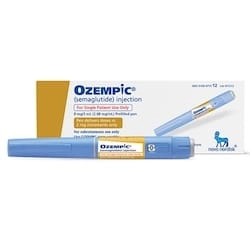
Order Ozempic Online: Compare Best Prices and Savings Today
The Cost of Semaglutide and Monthly Budgeting
Looking at a pharmacy receipt can feel like a punch to the gut. For many people, the sticker shock of a single Ozempic pen is enough to make anyone reconsider their lifestyle changes. Without a solid insurance plan, the retail price for a standard month’s supply often lands between $900 and $1,200. That is a heavy lift for any household budget.
Sorting through the mess of medical billing feels like trying to solve a puzzle in the dark. You might find yourself caught between what the doctor says you need and what your bank account says you can afford. It is not just about the pen itself; it is about the cumulative weight of every monthly prescription.
I once had a patient tell me that her medication cost felt like a second mortgage. She was losing weight, but the financial stress was adding a different kind of pressure. This is the reality for many people chasing a biological miracle that arrives with a hefty price tag.
Navigating Insurance and Co-pay Variations
Insurance coverage is the great equalizer, yet it remains incredibly unpredictable. One person might pay a mere $25 co-pay, while another faces a massive deductible that leaves their wallet feeling light. It all depends on your specific plan’s formulary and how they categorize weight management versus diabetes treatments.
Some plans treat semaglutide as a “preferred” drug, making the process relatively smooth. However, others play hardball, requiring prior authorization or multiple “step therapy” attempts. You might have to prove that other, cheaper medications failed before they agree to chip in a single cent toward your prescription.
If you find yourself stuck in a “denied” loop, don’t throw in the towel just yet. Sometimes, a simple appeal or a conversation with your doctor about medical necessity can turn the tide. It is a game of persistence, where the rules change depending on which insurance company holds the cards.
Understanding your “out-of-pocket maximum” is vital for long-term planning. Once you hit that ceiling, your insurance might cover everything else for the rest of the year. Knowing this number can transform your budgeting from a guessing game into a strategic, predictable roadmap for your health journey.
Out-of-Pocket Costs vs. Discount Cards
When insurance says “no,” the retail price becomes the enemy. Many people assume they are stuck paying the full $1,000, but that is not always the case. Pharmacy discount cards and manufacturer coupons can act as a lifeline, often bringing the price down significantly compared to the standard list price.
It is a bit like shopping for a plane ticket; the price fluctuates wildly based on where and when you look. Using a discount card might save you $300, but you must check if your local pharmacy participates. Some chains are more generous with their discounts than others, so a little legwork pays off.
Comparing these options is essential before you walk up to the pharmacy counter. You might find that a specific brand’s savings card is actually better than a generic discount card. It is a balancing act of math and timing that requires a bit of a savvy consumer’s mindset.
- Retail Price: Often exceeds $900 per month for most patients.
- Manufacturer Coupons: Can potentially lower costs to $25-$55 for those with coverage.
- Discount Cards: Useful for those without any insurance coverage at all.
- Cash Price: The most expensive route, typically the highest retail value.
Monthly Expense Estimates by Dosage
As you climb the titration ladder, your financial commitment may shift. While the pens often come in multi-dose packs, the frequency of refills stays the same. However, the perceived value of the medication often changes as the dosage increases and the physiological effects become more pronounced and effective.
Some patients find that the higher the dose, the more they feel they get for their money. It is a strange paradox where the most effective dose is also the one that feels most essential to maintain. This creates a rigid monthly budget that leaves very little room for error.
Below is a rough estimate of what you might see at the pharmacy counter for various scenarios:
| Scenario | Estimated Monthly Cost (USD) | Variable Factors |
| Standard Retail (No Insurance) | $950 – $1,200 | Pharmacy location and stock |
| With Manufacturer Coupon | $25 – $550 | Insurance tier and deductible |
| High Co-pay (Insurance) | $300 – $600 | Plan specific formulary |
The Rise of Compounded Alternatives
The market has seen a surge in compounded semaglutide as a way to bypass the high cost of brand-name pens. These alternatives are often much cheaper, sometimes costing a fraction of the retail price. However, this “budget-friendly” route is a double-edged sword that requires extreme caution and careful research.
Compounded versions are not FDA-approved in the same way brand-name Ozempic is. While they contain the same active ingredient, the manufacturing process and purity levels can vary wildly between different pharmacies. It is like buying a generic tool; it might work perfectly, or it might break in your hand.
You must vet your compounding pharmacy with an eagle eye. Ensure they follow strict safety standards and use high-quality ingredients. What starts as a way to save money can quickly turn into a costly mistake if the product is ineffective or, worse, unsafe for your body.
Ultimately, the choice between brand-name and compounded is a trade-off between certainty and savings. Some people feel comfortable with the risk for the sake of their wallet, while others wouldn’t dream of using anything but the official, regulated version. It is a deeply personal decision that impacts both health and finances.
Navigating Dosage Schedules and Administration
The Weekly Injection Ritual
Performing a subcutaneous injection might feel like a daunting task the first time you hold the pen. You aren’t alone in that feeling; many patients experience a moment of hesitation before the needle meets the skin. It is a mechanical process that requires a steady hand and a calm mind to ensure the full dose is delivered correctly.
First, you must gather your supplies: the Ozempic pen, a new alcohol swab, and a sharps container. Clean the injection site thoroughly to prevent any accidental infection. Once the skin is dry, remove the pen cap and gently press the needle into your skin, which should be the abdomen, thigh, or upper arm area.
Hold the button down and count slowly to six. This ensures the medication has enough time to settle into your tissue rather than splashing back out. After the countdown, lift the pen straight up. It sounds simple, but rushing this part is a common mistake that can lead to wasted medication or inconsistent results.
Always remember to discard the used pen in a dedicated sharps container. Never attempt to reuse a needle or a pen on yourself or anyone else. Keeping your injection area clean and your equipment fresh is the cornerstone of a safe, effective routine that keeps your health journey on the right track.
Climbing the Titration Ladder
Think of your dosage schedule as a slow climb up a mountain. You don’t sprint to the summit on day one; instead, you take small, measured steps to let your body adjust. This titration process is designed to minimize gastrointestinal side effects like nausea or indigestion that can occur if you jump too high too fast.
Most journeys begin with a 0.25mg dose for the first four weeks. This initial phase isn’t actually meant to manage blood sugar or weight; it is purely an acclimation period for your system. It is like training for a marathon; you have to prepare your muscles before you start the heavy lifting.
After the first month, your doctor may increase your dose to 0.5mg, and subsequently to 1.0mg. Some patients find that 0.5mg is their “sweet spot,” while others eventually require the full 2.0mg dose to see the desired therapeutic effects. Always follow the specific increments prescribed by your healthcare provider to avoid unnecessary discomfort.
If you experience significant side effects during a transition, don’t panic. Your doctor might suggest staying at your current level for a few extra weeks. The goal is stability, not speed. It is much better to move slowly and stay consistent than to rush ahead and find yourself sidelined by intense nausea.
Avoiding Common Pitfalls and Irritation
Even with the best intentions, small errors can occur during administration. One common pitfall is failing to check the liquid in the pen. The medication should be clear and colorless. If you see any cloudiness, particles, or discoloration, set it aside and contact your pharmacist immediately to avoid injecting something compromised.
Another mistake involves “pinching” the skin too aggressively or, conversely, not pinching enough. You want to create a small, controlled area of fatty tissue. If you inject into the muscle rather than the fat, the medication might absorb too quickly, which can trigger a wave of unexpected nausea or stomach upset.
To keep your skin happy, you must practice site rotation. Think of your abdomen like a clock face. If you inject at “12 o’clock” this week, try “2 o’clock” next week. Constant repetition in the exact same spot can lead to lipohypertrophy—a hard lump under the skin—or localized skin irritation and redness.
If you notice a persistent bump or a patch of skin that remains red and painful, it is time to consult your doctor. Rotating your sites is the best defense against these issues. It keeps the tissue healthy and ensures the medication absorption remains predictable and steady over the long term.
Handling Missed Doses and Delays
Life happens, and sometimes you might miss your weekly window. If you remember your missed dose within the same week, just take it as soon as you can. However, if it has been more than five days since your scheduled dose, you should skip that one entirely and wait for your next regular day.
Do not attempt to “double up” to make up for lost time. Taking a double dose can be a recipe for disaster, often leading to severe nausea or vomiting. It is much better to restart your rhythm with a single dose than to try and play catch-up with your body’s chemistry.
If you miss several weeks in a row, the rules change. You might need to restart at the 0.25mg dose to allow your body to re-acclimate. In these instances, it is vital to call your doctor’s office. They will decide if you need to reset the titration ladder or if you can resume your current dose.
Consistency is the heartbeat of this medication. Setting a recurring alarm on your phone can be a lifesaver for those with busy schedules. By making it a non-negotiable part of your weekly routine, you remove the guesswork and keep your progress moving steadily forward without unnecessary setbacks.
The following table outlines the estimated monthly costs for different medication management strategies:
| Management Strategy | Estimated Monthly Cost | Primary Benefit |
|---|---|---|
| Standard Retail (No Insurance) | $950 – $1,200 | Direct access to brand name |
| Insurance Co-pay (Standard) | $25 – $500 | Predictable out-of-pocket costs |
| Manufacturer Savings Card | $25 – $55 | Significant retail reduction |
| High Deductible Plan | $500 – $900 | Coverage after threshold met |
Where to Secure Authentic Prescriptions Safely
Navigating the digital marketplace for weight management medication can feel like walking through a minefield. With demand skyrocketing, the internet has become a playground for scammers. You might stumble upon a website offering “miracle” vials at a fraction of the retail price. If a deal looks too good to be true, it almost certainly is a trap.
Beware of the “no prescription required” siren song. Legitimate pharmacies will never bypass the law by shipping potent injectables without a doctor’s oversight. These rogue operators often ship counterfeit or diluted substances that are not only useless but potentially life-threatening. If a site promises instant gratification without a medical consultation, close the tab immediately.
Red flags often hide in plain sight within the fine print. Watch out for websites that use suspicious domain extensions or lack a clear physical address in the United States. If the pricing seems wildly disconnected from the $900+ market average, your wallet and your health are both at risk. Always trust your gut when a deal feels shady.
Verify the legitimacy of a provider by checking for specific credentials. A reputable US-based telehealth company should offer a transparent process for connecting you with a licensed medical professional. They should provide a clear breakdown of their consultation fees and pharmacy costs upfront, rather than hiding them behind a “contact us” button or a vague “checkout” page.
Look for the presence of a legitimate, verifiable medical platform. High-quality telehealth providers will integrate with established pharmacy networks and provide you with a digital receipt that includes your prescribing physician’s name. This transparency is the gold standard for ensuring you are receiving a regulated, FDA-approved product rather than a black-market substitute.
A valid physician consultation is not just a legal hurdle; it is your primary safety net. Because Ozempic affects your metabolic system and gastrointestinal tract, a doctor must review your medical history. They need to check for contraindications, such as a history of pancreatitis or certain thyroid issues, before you ever touch a needle.
A doctor’s oversight ensures that your titration schedule is customized to your specific physiological needs. Jumping into a high dose without medical supervision is like trying to run a marathon without training. A professional will help you navigate the “ups and downs” of side effects, ensuring your journey toward weight management remains both safe and sustainable.
Once you have a prescription, the next step is verifying the pharmacy’s accreditation. Do not take a logo at face value; many fraudulent sites use fake badges to mimic legitimate organizations. You should actively look for the VIPPS (Verified Pharmacy Program) seal or check the pharmacy’s status through the National Association of Boards of Pharmacy.
To be absolutely certain, use the NABP website to verify that the pharmacy is licensed to operate in your specific state. A legitimate pharmacy will have a physical address and a phone number that actually connects to a human being. If they refuse to provide their license number or pharmacy accreditation details, take it as a massive warning sign.
The logistics of receiving your medication are just as critical as the source itself. Since Ozempic is a temperature-sensitive biological product, it must be maintained within a strict temperature range to remain effective. If the medication gets too warm or freezes during transit, the protein structure can break down, rendering the dose useless or even harmful.
When reviewing your shipping options, prioritize providers that use specialized insulated packaging and gel packs. Ask specifically about their “cold chain” logistics. A premium provider will often offer overnight or two-day shipping to minimize the time the package spends in transit. Paying a little extra for controlled logistics is a small price to pay for peace of mind.
Check the integrity of your package the moment it arrives. If the cooling packs are completely melted or the box feels warm to the touch, do not inject the medication. Contact the provider immediately to request a replacement. It is better to deal with a shipping delay than to waste a $900 dose on a compromised, ineffective vial.
Ozempic vs. Compounded Semaglutide Alternatives
The landscape of weight management has shifted dramatically as demand for semaglutide has hit a fever pitch. Because the supply chain for brand-name Ozempic often feels like a game of musical chairs, many patients are turning to the growing market of compounded alternatives. This “shadow” market has exploded in popularity as people hunt for any way to secure their medication.
Compounding is a legitimate pharmaceutical practice where a pharmacist mixes ingredients to create a customized dose. However, the current surge in demand has blurred the lines between clinical necessity and opportunistic profiteering. Many patients find themselves caught between the desire for a continuous supply and the terrifying reality of unregulated, non-standardized injection vials.
It is a bit like buying a car; you can get the official factory model or a custom-built one from a local shop. While the custom version might look the same on the outside, the internal components are a different story entirely. Navigating this gray area requires a sharp eye and a willingness to ask the hard questions.
The Cost of Convenience and Availability
Price is often the primary driver for those looking beyond the pharmacy counter for brand-name vials. Ozempic typically comes with a heavy price tag, often exceeding $900 per month without insurance coverage. This high barrier to entry has created a massive vacuum in the market that many providers are eager to fill with cheaper options.
Compounded versions often promise significant savings, sometimes reducing the monthly cost to $300 or $500. While these savings look enticing on a spreadsheet, they represent a trade-off in certainty. You are essentially trading the peace of mind that comes with a manufacturer’s guarantee for a lower monthly bill and a slightly easier checkout process.
When comparing these two paths, it is helpful to look at the raw numbers side-by-side. Remember that “savings” can be an illusion if the product quality is inconsistent or requires frequent medical interventions due to side effects. Always weigh the sticker price against the long-term value of your health and safety.
| Medication Type | Estimated Monthly Cost | Primary Benefit |
| Brand-Name Ozempic | $900+ | Guaranteed Purity |
| Compounded Semaglutide | $300 – $500 | Lower Price Point |
Regulatory Nuances and FDA Oversight
The regulatory distinction between these two options is a massive, yawning chasm. Ozempic is an FDA-approved medication, meaning it has undergone rigorous, multi-phase clinical trials to prove it is both safe and effective. Every batch is standardized, ensuring that what is on the label is exactly what enters your bloodstream.
Compounded medications, by contrast, are not FDA-approved. While pharmacists are legally allowed to compound drugs when a shortage exists, they do not undergo the same level of scrutiny as a manufacturer. This creates a “regulatory gap” where the oversight is focused on the pharmacist’s process rather than the drug’s original chemical composition.
The FDA does not regulate the specific potency or the exact ingredients of a compounded batch in the same way it does a mass-produced drug. This means you are relying entirely on the individual pharmacy’s internal quality control. It is a leap of faith that some find acceptable, while others find it absolutely reckless.
Risks of Purity and Consistency
One of the biggest “hidden” risks in the compounding market is the lack of ingredient consistency. In a manufacturing plant, robots ensure every milligram is placed with surgical precision. In a compounding pharmacy, a human element is introduced, which—while skilled—is inherently more susceptible to error and variation.
There are also serious concerns regarding ingredient purity. Because these products are often prepared in smaller batches, the risk of contamination or sub-potent ingredients increases. Some users have reported receiving “dud” vials that contain much less semaglutide than promised, making it impossible to manage weight or side effects effectively.
Imagine trying to hit a target while the distance keeps changing; that is what it feels like when your dosage is inconsistent. If one vial is too strong and the next is too weak, your body will be in a constant state of metabolic chaos. This instability can lead to severe gastrointestinal distress or, worse, a total lack of progress.
- Sub-potent dosing: The medication is diluted and fails to produce results.
- Contamination: Improper handling leads to bacterial or viral presence.
- Inconsistent potency: Different vials provide different levels of the active ingredient.
- Unknown fillers: The use of non-medical grade additives to stabilize the liquid.
When to Prioritize the Manufacturer
Deciding which path to take is a deeply personal decision that depends on your risk tolerance and your budget. If you have the financial means and insurance coverage, sticking to the manufacturer is the safest bet. It removes the “wild card” element from your medical regimen and ensures your treatment is predictable.
However, if you find yourself facing a massive shortage or an insurmountable cost, a reputable, licensed compounding pharmacy might be your only lifeline. If you choose this route, do not cut corners. Ensure the pharmacy is working with a licensed physician and provides full transparency regarding their sourcing and testing methods.
Ultimately, your health is not a place to experiment with “budget” versions of life-altering drugs. If a provider cannot explain exactly how they verify the purity of their semaglutide, walk away. It is far better to wait for a legitimate supply than to gamble your well-being on a cheap, unverified vial of mystery liquid.
Managing Side Effects and Treatment Transitions
Navigating the landscape of gastrointestinal discomfort is often the first hurdle patients encounter. Nausea, indigestion, and that dreaded “heavy” feeling in the stomach are common companions when starting semaglutide. It feels like your digestive system has decided to go on strike, slowing everything down to a snail’s pace to accommodate the medication’s effects.
To tame these unruly symptoms, many find that smaller, more frequent meals act like a soothing balm. Instead of sitting down to a massive feast, try grazing on light snacks throughout the day. Think of it as feeding your body small embers rather than one giant bonfire that overwhelms your system and triggers reflux or nausea.
Avoid the temptation to dive into greasy, fried, or highly spicy foods, which can act like gasoline on a fire. When your stomach is already feeling sensitive, these heavy items sit in your gut like lead weights. Focus on lean proteins and gentle fibers that won’t cause a rebellion in your digestive tract during your journey.
The Importance of Hydration and Electrolytes
Dehydration is a silent thief that can sneak up on you, stealing your energy and worsening headaches. Because Ozempic can dampen your thirst signals, you might not even realize your body is parched. It is vital to treat hydration as a proactive task rather than a reactive response to thirst.
Water is your best friend, but relying solely on plain water might not be enough if you are experiencing frequent nausea. Incorporating electrolyte-rich drinks can help maintain the delicate balance of minerals in your system. Think of it as keeping your cellular machinery well-oiled and ready to function smoothly.
If you find that drinking large amounts of water at once makes you feel nauseated, try sipping steadily. Using a straw or taking small, frequent gulps can prevent that “sloshing” sensation in your stomach. Consistency is the name of the game when it comes to keeping your hydration levels steady.
- Sip, don’t gulp: Small amounts of liquid are easier on the stomach.
- Electrolyte balance: Use powders or drinks to replenish minerals.
- Monitor color: Pale yellow urine is the gold standard for hydration.
- Avoid caffeine: Excessive coffee can worsen dehydration and jitters.
Navigating the Dosage Escalation Period
The transition between dosage levels is often the most turbulent part of the treatment. As you move from a lower dose to a higher one, your body undergoes a significant metabolic shift. It can feel like you are trying to recalibrate a sensitive instrument while the dial is still turning.
During these “step-up” weeks, side effects might temporarily resurface or intensify. This is not necessarily a sign that the medication is failing, but rather a sign that your body is adapting to the new concentration. Patience is your greatest ally during this delicate period of physiological adjustment.
Keep a detailed log of how you feel as you increase your milligrams. Note the timing of nausea, energy dips, or any digestive shifts. This data is gold when you sit down with your provider, allowing them to determine if your titration schedule is moving too fast or at the perfect pace.
Recognizing Red Flags and When to Call a Doctor
While mild discomfort is expected, certain symptoms are non-negotiable red flags. If you experience severe, persistent abdominal pain that radiates to your back, stop and seek medical attention immediately. This can be a sign of pancreatitis, a serious condition that requires urgent clinical intervention.
Do not ignore signs of an allergic reaction, such as swelling of the throat, hives, or difficulty breathing. These are medical emergencies that require an immediate trip to the emergency room. Your safety should always take precedence over any convenience or fear of a hospital visit.
Constant vomiting that prevents you from retaining any liquids is another major warning sign. Dehydration can escalate quickly, leading to dizziness or fainting. If you feel like you are losing the battle against nausea, reach out to your healthcare provider to discuss alternative management strategies.
| Symptom Severity | Action Required |
| Mild Nausea/Indigestion | Manage with diet and hydration |
| Persistent Vomiting | Contact your doctor immediately |
| Severe Abdominal Pain | Seek emergency medical care |
Maximizing Efficacy Through Lifestyle Adjustments
Think of the medication as a powerful wind in your sails, but you are still the captain of the ship. Ozempic is not a magic wand; it is a tool that works best when paired with intentional lifestyle choices. Without a foundation of good habits, you may find yourself plateauing sooner than expected.
Prioritize protein intake to help preserve lean muscle mass while you lose fat. As your appetite decreases, you must ensure that every calorie you consume is nutrient-dense. It is easy to fall into the trap of “undereating,” which can lead to fatigue and hair thinning over time.
Incorporate regular strength training into your weekly routine to keep your metabolic engine firing. Building muscle helps ensure that the weight you lose comes from fat stores rather than vital tissue. This approach turns a temporary weight loss phase into a sustainable, long-term metabolic victory.
Logistics of Storage and Long-term Supply
Managing your medication is a lot like tending to a delicate garden; if the environment shifts too drastically, the results can wither. For those using Ozempic, the primary rule of thumb is to keep unopened pens tucked away in the refrigerator. Aim for temperatures between 36°F and 46°F to ensure the liquid remains potent and pure.
Avoid the temptation to store your pens in the freezer. If the liquid freezes, even if it thaws out later, the chemical structure may be compromised. It is better to be safe than sorry. If you notice any cloudiness or discoloration in the liquid, consider it a sign that the medicine has lost its bite.
When it comes to the pens you are currently using, you have a bit more breathing room. Once a pen is taken out of the fridge, it can sit at room temperature for up to 35 days. Just ensure you keep it away from direct sunlight and extreme heat, like a hot car dashboard.
Think of the 35-day window as your grace period. If you don’t finish the pen within that timeframe, the medication loses its efficacy. Keeping a small calendar on your fridge to track when you started a new pen can prevent any accidental “expired” doses from slipping through the cracks.
Navigating the Refill Cycle
There is nothing quite like the sudden realization that your medication supply is running low right when your pharmacy is out of stock. To avoid these stressful gaps, treat your refill process like a scheduled flight. You don’t want to be scrambling at the gate when you should be cruising smoothly.
I always suggest setting a “buffer zone” for your refills. Don’t wait until you are down to your last pen to call the doctor or the pharmacy. Aim to have your next shipment arriving when you still have at least one full week of medication remaining in your cabinet.
Keep in mind that supply chain hiccups can happen, especially with high-demand medications. Checking in with your pharmacist early in the month can save you a headache later. It is much better to have an extra pen sitting in the fridge than to face a week of hunger pangs because of a delay.
If you find yourself traveling or frequently away from home, consider keeping a small “emergency kit” in your carry-on. This kit should include a backup pen and a few extra needles. It is a small price to pay for the peace of mind that comes with being fully prepared.
Safe Disposal and Travel Protocols
When the pen is empty, you aren’t done with it yet. The needles used for injection are “sharps,” and they pose a risk to anyone handling them, including sanitation workers. You cannot simply toss them in the kitchen trash like a piece of junk mail; that is a recipe for an accidental prick.
The best way to handle this is to use a dedicated sharps container. These are puncture-resistant bins designed specifically for this purpose. If you can’t find one, a heavy-duty plastic container with a screw-on lid—like an empty laundry detergent bottle—can serve as a temporary substitute.
When traveling across time zones, temperature control becomes your biggest hurdle. If you are flying, use an insulated travel pouch designed for insulin or biologics. This keeps the medication stable even if the plane’s cabin temperature fluctuates during the journey.
For long-haul flights, avoid placing your medication in checked luggage where it might sit in a freezing cargo hold. Keep it in your carry-on bag. Most airlines are very accustomed to seeing medical supplies, so don’t feel the need to hide your travel kit like it’s a secret.
- Use a sharps container: Never throw loose needles in the trash.
- Insulated bags: Essential for long flights or summer heat.
- Check local laws: Disposal rules vary by city and state.
- Keep in carry-on: Avoid the extreme temperatures of the cargo hold.
Contact & directions
Address:
3323 Southeast Military Drive,
San Antonio, TX 78223, USA




Comments