DIY Crafts to Make and Sell: 10 Profitable Ideas for 2026
- DIY Crafts to Make and Sell: 10 Profitable Ideas for 2026
- 📋 Key Takeaways
- Table of Contents
- The Handmade Economy: Why 2026 is the Best Time to Start
- Top diy crafts to make and sell This Year
- 1. Custom Drinkware and Tumblers
- 2. Eco-Friendly Scented Candles
- 3. Digital Printables & Planners
- High-Margin diy crafts to make and sell
- 4. Handcrafted Polymer Clay Jewelry
- 5. Miniature Book Nooks and Dioramas
- 6. Artisan Bath Bombs and Soaps
- Trending diy crafts to make and sell in the Eco-Friendly Space
- 7. Upcycled Scrap Fabric Junk Journals
- 8. Minimalist Jesmonite Home Decor
- 9. Personalized Resin Pet Accessories
- 10. "Slow Crafting" DIY Kits
- How to Price Your Handmade Products for Profit
- Where to Market Your diy crafts to make and sell
- Wrapping Up
- Frequently Asked Questions (FAQ)
- What are the easiest diy crafts to make and sell for beginners?
- Is selling handmade crafts still profitable in 2026?
- How do I price my diy crafts to make and sell?
- Do I need a business license to sell my crafts?
- What is the most profitable craft business to start?
Imagine turning your weekend hobby into a thriving business that brings in thousands of dollars a month. If you have been searching for the most profitable diy crafts to make and sell, you are exactly in the right place. The handmade economy is booming in 2026, and buyers are actively looking for unique, personalized items over mass-produced goods. Whether you want a creative side hustle or a full-time income, crafting offers incredible financial freedom.
However, not all crafts are created equal when it comes to profitability. Spending hours knitting a blanket that barely covers the cost of yarn is a quick path to burnout. Choosing the right diy crafts to make and sell can transform your creative passion into a highly lucrative enterprise. Let’s dive into the most in-demand, high-margin products you should be creating this year.
📋 Key Takeaways
- The global handmade market is worth over $906 billion in 2026, with 70.8% of consumers willing to pay a premium for original crafts.
- High-margin consumables like eco-friendly candles and artisan soaps guarantee repeat customers.
- Digital printables offer a 100% profit margin with zero shipping or inventory required.
- Personalization and “slow crafting” DIY kits are dominating the e-commerce landscape this year.
The Handmade Economy: Why 2026 is the Best Time to Start
If you are wondering whether the market is too saturated, the data proves otherwise. The global market for Handicraft goods is currently estimated to be worth over $906 billion. Experts project this number to reach a staggering $1.94 trillion by 2033, growing steadily at about 8.8% per year.
Consumers are craving authenticity. After years of ultra-minimalist, mass-produced aesthetics, shoppers are leaning toward warmth, texture, and nostalgia. According to the 2026 Arts & Crafts Industry Trends Report, an impressive 70.8% of consumers stated they are willing to pay more for high-quality, original handmade products. This means that if you position your brand correctly, buyers will happily pay premium prices for your artistry.
Top diy crafts to make and sell This Year
When searching for diy crafts to make and sell, beginners should focus on items that have a low barrier to entry but a high perceived value. Here are the top contenders that balance ease of creation with massive market demand.
1. Custom Drinkware and Tumblers
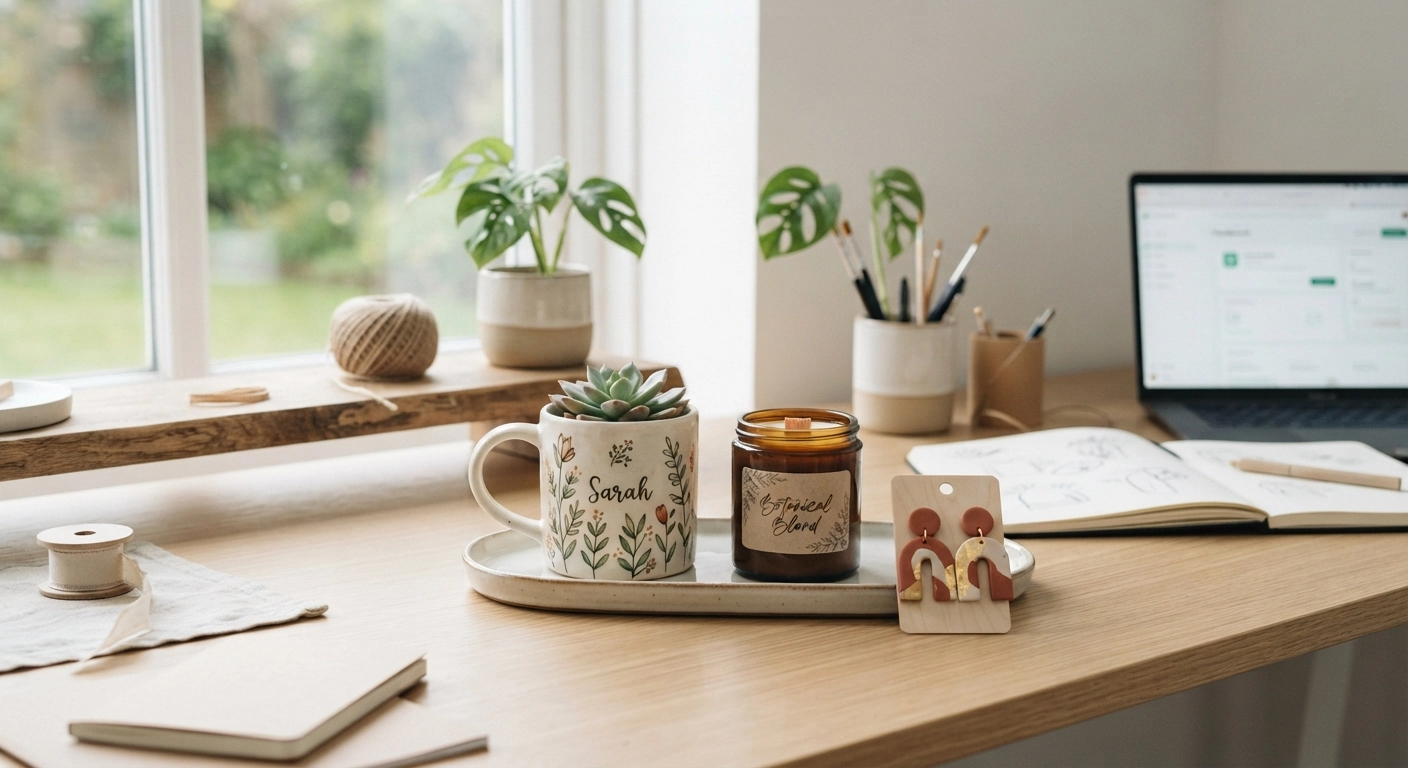
Personalized items never go out of style, and in 2026, custom drinkware remains a top seller. People love buying mugs that feature their pets, motivational quotes, or aesthetic modern designs. With the rise of UV printing and sublimation, creating high-quality, permanent designs has never been easier.
To get started, you will need blank ceramic mugs or stainless steel tumblers, a sublimation printer, and a heat press. The initial equipment investment might seem steep, but the ongoing material costs are incredibly low. A blank mug costs around $1 to $3, while the finished personalized product can easily retail for $15 to $25.
- Pros: Huge year-round demand; excellent for corporate gifting and holidays.
- Cons: Requires upfront investment in printing equipment; shipping fragile mugs requires careful packaging.
2. Eco-Friendly Scented Candles
The home fragrance market is booming, and consumers are actively shifting away from mass-produced paraffin candles. Organic, eco-friendly alternatives like soy wax, beeswax, and coconut wax candles with crackling wooden wicks offer a luxurious aesthetic that buyers crave.
What makes candles an incredible business choice is the built-in repeat purchase behavior. Once a customer falls in love with your signature scent, they will return to restock. Material costs typically run 20% to 30% of the retail price. A candle that costs $4 to make can sell for $20, giving you a massive 50% to 70% profit margin.
- Pros: High profit margins; creates loyal, repeat customers.
- Cons: Requires rigorous testing for fire safety and proper wick sizing.
3. Digital Printables & Planners
If you want to avoid shipping logistics entirely, digital printables are the ultimate solution. This category flips the traditional crafting model upside down. You design a digital product once and sell it an infinite number of times while you sleep.
Popular digital products in 2026 include wedding planning checklists, ADHD organization templates, and aesthetic wall art. You can use low-cost software to design these items. Since there are zero reproduction or shipping costs, your profit margin is practically 100%.
- Pros: Zero inventory; 100% passive income after the initial design phase.
- Cons: High competition; requires strong SEO skills to stand out on digital marketplaces.
High-Margin diy crafts to make and sell

The secret to successful diy crafts to make and sell lies in the profit margin. You want to create items where the perceived value is drastically higher than the cost of your raw materials. Let’s look at some highly profitable crafts.
4. Handcrafted Polymer Clay Jewelry
Jewelry consistently ranks among the top-selling categories online. Polymer clay has maintained its immense popularity due to its versatility and lightweight nature. You can mold it into intricate floral patterns, modern abstract shapes, or elegant textured arches.
Startup costs for a legitimate polymer clay business are quite low. Because the finished earrings or necklaces are extremely light, your shipping costs will be minimal. This makes your shop highly attractive to international buyers.
- Pros: Low startup costs; incredibly cheap to ship worldwide.
- Cons: The market is competitive, requiring a unique, recognizable brand style.
5. Miniature Book Nooks and Dioramas
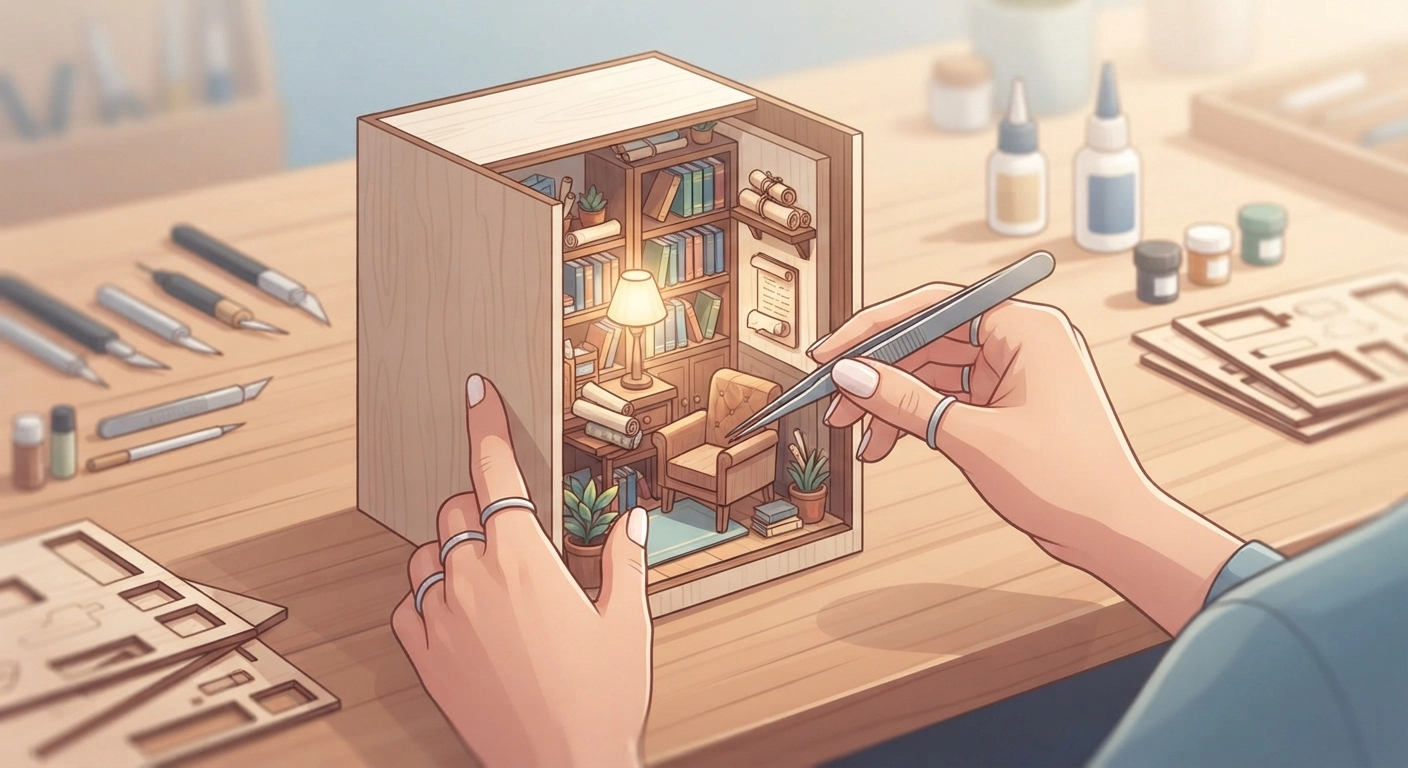
Whimsical worlds and escapism are massive trends this year. Miniature “book nooks”—tiny, detailed dioramas that slide between books on a shelf—are taking the internet by storm. Crafters are creating magical alleyways, cozy reading rooms, and enchanted forests.
This is one of the most unique diy crafts to make and sell right now because it commands a premium price. While they require patience, precision, and materials like balsa wood and LED lights, a beautifully crafted book nook can easily sell for $50 to $150 or more.
- Pros: High ticket price; passionate niche audience of book lovers.
- Cons: Highly time-consuming to create; requires meticulous attention to detail.
6. Artisan Bath Bombs and Soaps
Self-care remains a major priority for consumers, driving the demand for luxury bath products. Artisan soaps crafted with natural exfoliants, essential oils, and botanical tops are visually stunning and highly profitable.
Similar to candles, bath products encourage repeat business. A beautifully swirled cold-process soap or a geode-inspired bath bomb costs roughly $1.50 to produce but can retail for $6 to $10. Packaging plays a huge role here; using eco-friendly shrink wrap and aesthetic labels will instantly elevate your brand.
- Pros: Excellent for subscription boxes and gift sets; high repeat customer rate.
- Cons: Cold-process soap requires a 4-6 week curing time before it can be sold.
Trending diy crafts to make and sell in the Eco-Friendly Space
Sustainability is a driving force for diy crafts to make and sell this year. Buyers are actively seeking out products that are kind to the environment, upcycled, or made from non-toxic materials.
7. Upcycled Scrap Fabric Junk Journals
Crafters are turning what would be waste into beautiful, functional art. Junk journals made from upcycled scrap fabric, vintage book pages, and discarded lace tap into the popular vintage cottagecore aesthetic.
These journals appeal to writers, scrapbookers, and artists who appreciate slow living. Since you are primarily using recycled or thrifted materials, your cost of goods is astonishingly low. The real investment is your time and creativity in binding and decorating.
- Pros: Extremely low material costs; highly eco-friendly.
- Cons: Each piece is one-of-a-kind, which makes photographing and listing products time-consuming.
8. Minimalist Jesmonite Home Decor
Move over concrete; Jesmonite is the eco-friendly resin alternative dominating the home decor space. It is safe to use, cures quickly, and can be pigmented to match any color palette. Crafters are pouring terrazzo-style coasters, oval vanity trays, and minimalist vases.
If you want modern diy crafts to make and sell, jesmonite is perfect. The aesthetic appeal of these pieces makes them highly shareable on social media. For those interested in styling these items, they pair beautifully with the concepts in our Easy DIY Room Decor Aesthetic: 15 Minimalist Ideas for 2026.
- Pros: Fast curing time allows for quick production; non-toxic and eco-friendly.
- Cons: Finished products can be heavy, increasing shipping costs.
9. Personalized Resin Pet Accessories
The pet industry is virtually recession-proof. Pet owners love spoiling their furry friends, making custom resin pet tags a highly lucrative niche. By embedding dried flowers, gold flakes, or the pet’s name in clear UV resin, you create a durable and beautiful accessory.
Beyond name tags, memorial items—like preserving a pet’s fur or ashes in a resin keepsake—are deeply meaningful products that customers are willing to pay a premium for. The material cost per tag is mere cents, while retail prices hover around $15 to $25.
- Pros: Massive target audience; high emotional value leads to premium pricing.
- Cons: Resin requires a safe, well-ventilated workspace and proper PPE.
10. “Slow Crafting” DIY Kits
Instead of selling a finished product, why not sell the experience? The “slow crafting” movement is huge as people look for off-screen hobbies to reduce stress. Curating DIY kits for punch needle, embroidery, or beginner crochet is a brilliant business model.
You source the materials in bulk—hoops, yarn, needles, and printed patterns—and package them beautifully. If you are looking to expand your kit offerings, you might even take inspiration from our How to Make Paper Flowers: Step-by-Step Guide for Beginners and create a paper floral kit!
- Pros: Highly scalable; excellent for gifting seasons.
- Cons: Requires writing clear, easy-to-follow instructions for beginners.
How to Price Your Handmade Products for Profit
Pricing is where many beginners stumble. If you underprice your items, you devalue your work, hurt the crafting community, and risk burning out quickly. A standard formula to ensure profitability in your creative business is:
- (Cost of Materials + Labor Time + Overhead) x 2 = Wholesale Price
- Wholesale Price x 2 = Retail Price
Always pay yourself a fair hourly wage. Your time spent conceptualizing, crafting, photographing, and packaging is valuable. If you want a deeper look at how we structure our own content and templates to save time, feel free to visit our Sample Page.
Where to Market Your diy crafts to make and sell
After creating your diy crafts to make and sell, the next step is getting them in front of eager buyers. According to 2026 industry data, 85.3% of creative businesses earn significant revenue through in-person sales at local markets, craft fairs, and festivals. The energy of a live event and the ability to touch handmade work cannot be replicated online.
However, diversifying your income is crucial. Setting up an Etsy shop or a standalone Shopify store allows you to reach a global audience. Social media platforms like TikTok and Instagram Reels are powerful tools for showing your behind-the-scenes process. People love seeing how things are made, and sharing your creative journey builds immense trust.
If you are new to our site and want to see how we started building our own online presence from scratch, check out our very first Hello world! post. Every successful shop starts with a single step!
Wrapping Up
Starting your journey with diy crafts to make and sell is an exciting venture that blends passion with profit. Whether you choose to pour eco-friendly candles, design digital printables, or sculpt polymer clay jewelry, the key is to prioritize quality and authenticity. The 2026 market is hungry for unique, handcrafted items that tell a story.
Don’t be afraid to experiment with different mediums until you find the one that sparks joy and brings in consistent sales. If you are ready to explore more creative avenues to elevate your brand, be sure to dive into our Easy DIY Room Decor Aesthetic: 15 Minimalist Ideas for 2026 to keep your inspiration flowing. Grab your tools, set up your workspace, and start crafting your future today!
Frequently Asked Questions (FAQ)
What are the easiest diy crafts to make and sell for beginners?
The easiest diy crafts to make and sell for beginners include digital printables, melt-and-pour artisan soaps, and custom drinkware. These crafts require minimal specialized skills, have low startup costs, and offer excellent profit margins. You can learn the basics over a single weekend.
Is selling handmade crafts still profitable in 2026?
Absolutely. The global handmade market is projected to reach nearly $2 trillion by 2033. Consumers are actively moving away from mass-produced goods, with over 70% stating they are willing to pay a premium for high-quality, authentic handmade items.
How do I price my diy crafts to make and sell?
To price your diy crafts to make and sell effectively, calculate your total cost of materials, add an hourly wage for your labor, and factor in overhead costs (like platform fees and packaging). Multiply that total by two for your wholesale price, and multiply the wholesale price by two for your final retail price.
Do I need a business license to sell my crafts?
This depends heavily on your local laws and jurisdiction. In most regions, once you start making a consistent profit from your crafts, you will need to register as a small business for tax purposes. Always consult with a local tax professional or city clerk to ensure you are compliant.
What is the most profitable craft business to start?
Digital products and printables are technically the most profitable since they boast a near 100% profit margin with zero inventory. However, in the physical product space, eco-friendly scented candles, artisan bath bombs, and personalized jewelry offer the highest return on investment due to low material costs and high retail value.