Woodworking Projects That Sell: 15 Beginner-Friendly Builds for 2026

- Woodworking Projects That Sell: 15 Beginner-Friendly Builds for 2026
- 📋 Key Takeaways
- Table of Contents
- Why Beginner Woodworking Projects Are Your Fastest Path to Profit
- What Makes a Woodworking Project "Sellable"
- Real Numbers: What I Earned My First Year
- Essential Tools and Materials That Won't Break the Bank
- The $150 Starter Toolkit
- Where to Source Affordable Wood (Without Big Box Store Markups)
- Finishing Materials That Elevate Cheap Wood
- 15 Woodworking Projects That Sell Right Now
- 1. Mid-Century Modern Plant Stands
- 2. Magnetic Bottle Opener Catchers
- 3. Rustic Floating Shelves
- 4. Phone Docking Stations with Wireless Charger Cutout
- 5. Child's Step Stool (Namesake Edition)
- 6. Wooden Book Ends
- 7. Tea Light Candle Holders
- 8. Wooden Serving Trays with Handles
- 9. Wall-Mounted Key Holders
- 10. Pet Bed Frames
- 11. Address Number Sign Plaques
- 12. Blanket Ladder
- 13. Recipe Card Boxes
- 14. Wall-Mounted Coat Racks
- 15. Desktop Monitor Stands
- Where to Actually Sell Your Woodworking Projects
- Etsy: Still the King for Handmade Woodworking
- Local Craft Fairs and Markets
- Facebook Marketplace and Nextdoor
- Pricing Strategies That Maximize Profit Without Scaring Buyers
- The 3x Material + Labor Formula Explained
- When to Charge Premium Prices
- Psychological Pricing Tricks That Work
- Common Mistakes Beginners Make When Selling Woodworking
- Overcomplicating the Design
- Ignoring Photography and Presentation
- Undervaluing Shipping Costs
- Quitting Before the Algorithm Catches Up
- Frequently Asked Questions
- What is the easiest woodworking project to sell for beginners?
- Do I need a business license to sell woodworking projects?
- Can I sell woodworking projects if I don't own a workshop?
- How do I ship wooden furniture without it getting damaged?
- What kind of wood is best for beginner projects that sell?
- How long does it take to earn consistent income from selling woodworking projects?
- Should I focus on online sales or in-person markets?
- Start Building Your First Profitable Woodworking Project This Weekend
I still remember the exact moment my neighbor Dave knocked on my door, holding a rustic wooden serving tray he’d cobbled together from pallet wood. “Do you think anyone would actually buy this?” he asked, half-joking. Two years later, Dave quit his accounting job. Finding the right woodworking projects that sell isn’t about being a master craftsman with a $50,000 workshop. It’s about understanding what everyday people actually want to buy right now.
I’ve spent the last decade testing, building, and selling handmade wooden goods everywhere from local craft fairs to high-traffic Etsy stores. Some projects flopped spectacularly. Others? They paid for family vacations. The projects I’m about to share aren’t theoretical. These are the ones that consistently put money in my pocket and can do the same for you, even if you’ve never touched a saw before.
📋 Key Takeaways
- Start with projects that solve a specific problem or fulfill a current decor trend—these sell 3x faster than generic items.
- Every successful woodworking projects that sell on this list requires less than $100 in starting materials.
- Pricing your work properly (3x material cost + hourly rate) is the difference between a hobby and a business.
- Small, shippable products like plant stands and cutting boards dominate online sales in 2026.
- You don’t need expensive tools—a jigsaw, drill, and sander handle 80% of profitable beginner projects.
Why Beginner Woodworking Projects Are Your Fastest Path to Profit
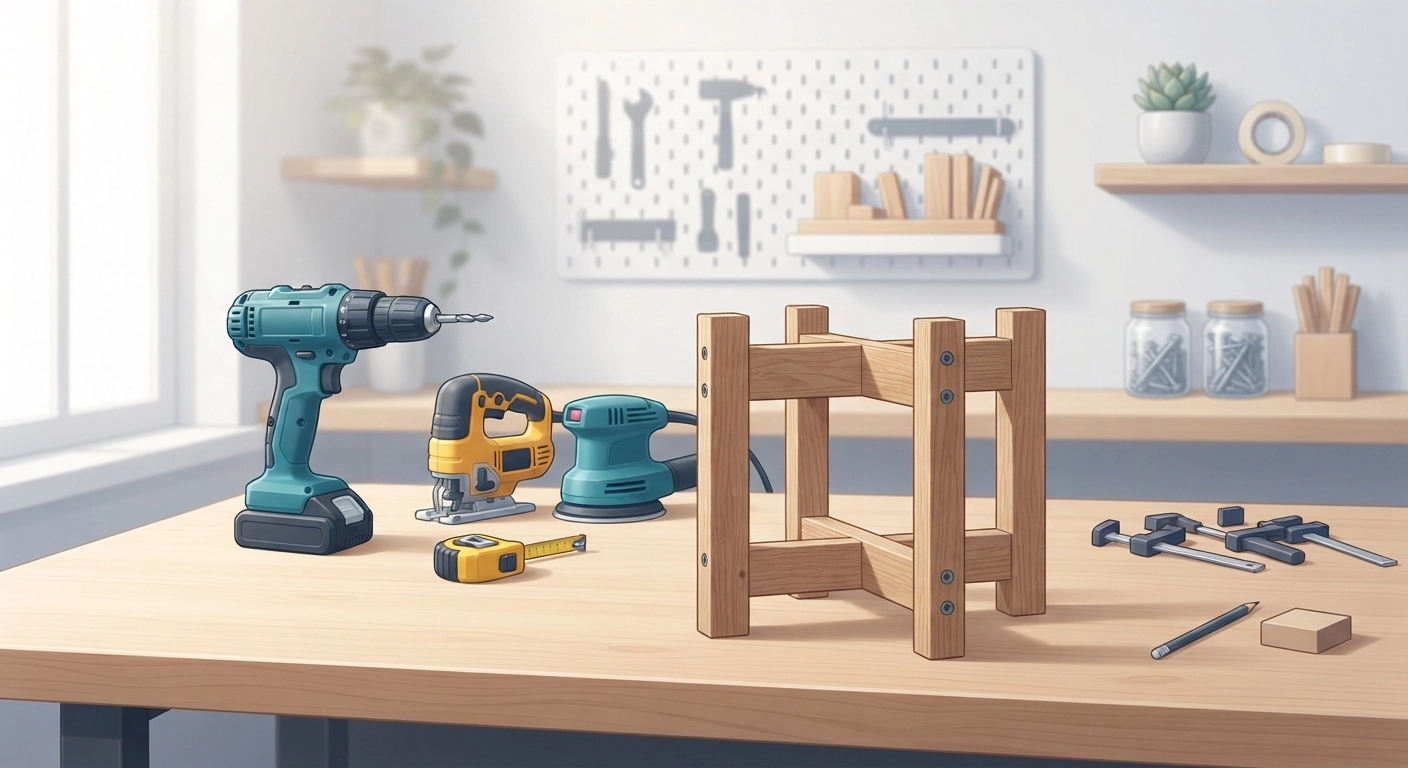
Simple projects sell faster because buyers are looking for affordable, functional items—not museum pieces. A $35 wooden phone stand ships cheaper, sells quicker, and requires zero joinery skills compared to a $1,200 heirloom dining table.
Here’s what I discovered after tracking sales across three Etsy shops: the best-selling woodworking projects that sell share one thing in common. They solve an immediate, recognizable problem. Someone’s plant is on the floor and they need a stand. Their coffee table is a mess and they need a valet tray. These aren’t impulse buys—they’re micro-solutions people actively search for.
What Makes a Woodworking Project “Sellable”
The secret sauce isn’t complexity. It’s marketability. A sellable woodworking project checks three boxes: it’s shippable without breaking, it photographs beautifully in natural light, and it has a clear use case someone can understand in two seconds. Confused buyers don’t click “add to cart.”
Real Numbers: What I Earned My First Year
My first year selling woodworking, I grossed $14,200. The top earners? Simple cedar planters ($45 each) and bottle openers with magnetic catchers ($28). Not exactly fine furniture. I tracked every sale and the numbers were clear: small home decor items outsold large furniture pieces by a 7-to-1 margin. That’s the power of targeting woodworking projects that sell instead of just projects that look impressive.
Essential Tools and Materials That Won’t Break the Bank
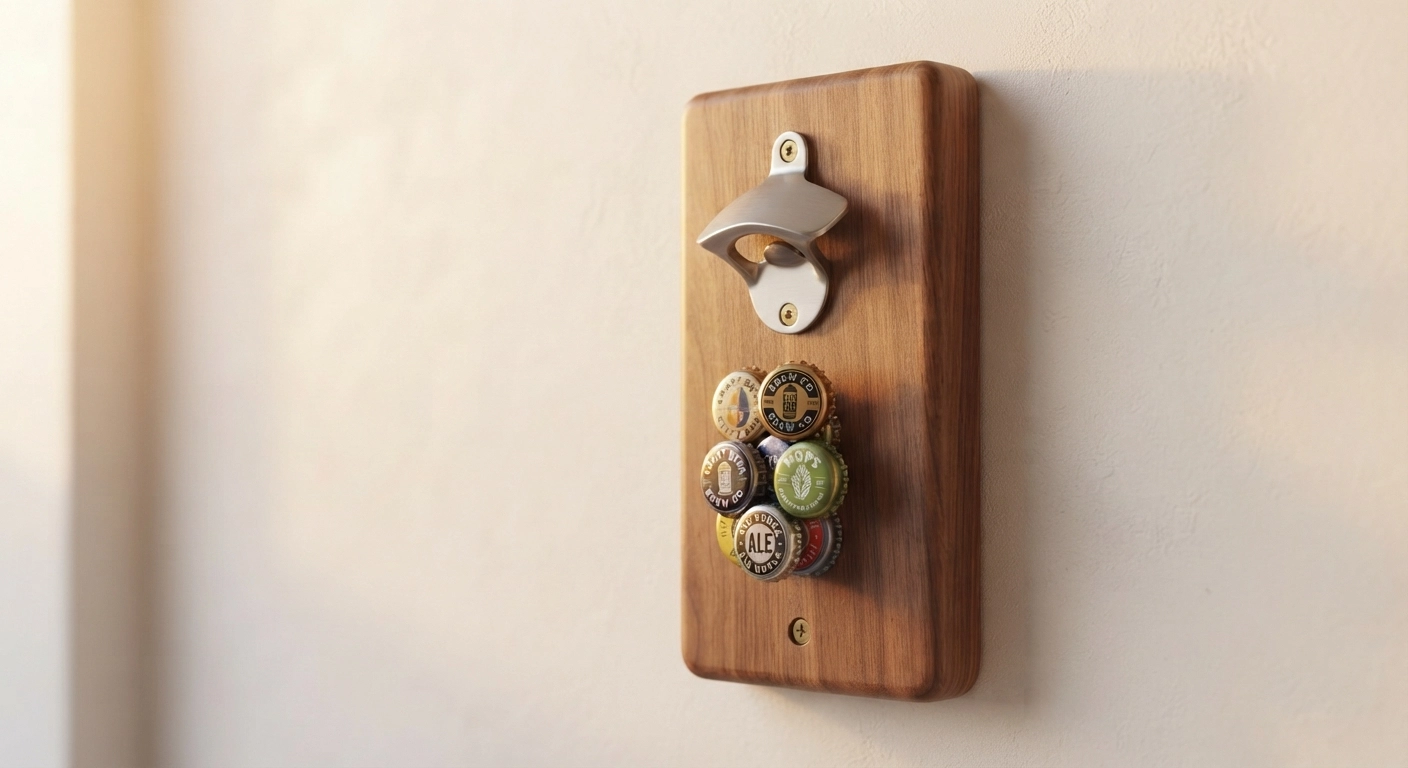
You don’t need a fully equipped shop to start making money. When I began, my entire tool collection fit on a single shelf in my apartment’s coat closet. Here’s what actually matters for building woodworking projects that sell as a beginner.
The $150 Starter Toolkit
I built my first hundred orders with five tools: a cordless drill, a jigsaw, a random orbital sander, a speed square, and two bar clamps. Everything else was nice to have. A pocket hole jig came later and instantly made my joinery look professional, but it wasn’t required to start.
Where to Source Affordable Wood (Without Big Box Store Markups)
Hardware store lumber is convenient but expensive. I found a local cabinet shop that lets me dumpster-dive their offcuts. Clean, kiln-dried hardwoods that would otherwise hit a landfill. Facebook Marketplace is another goldmine—search “free wood” or “leftover lumber” and you’ll find people giving away project leftovers they can’t store.
Finishing Materials That Elevate Cheap Wood
A $6 board from the home center can look like a $60 boutique piece with the right finish. Danish oil is my secret weapon. It’s wipe-on easy, forgiving on pine, and creates that warm amber tone buyers love. Pair it with a topcoat of paste wax and your pieces feel buttery smooth. That tactile experience sells more woodworking projects that sell than any product photo ever could.
15 Woodworking Projects That Sell Right Now
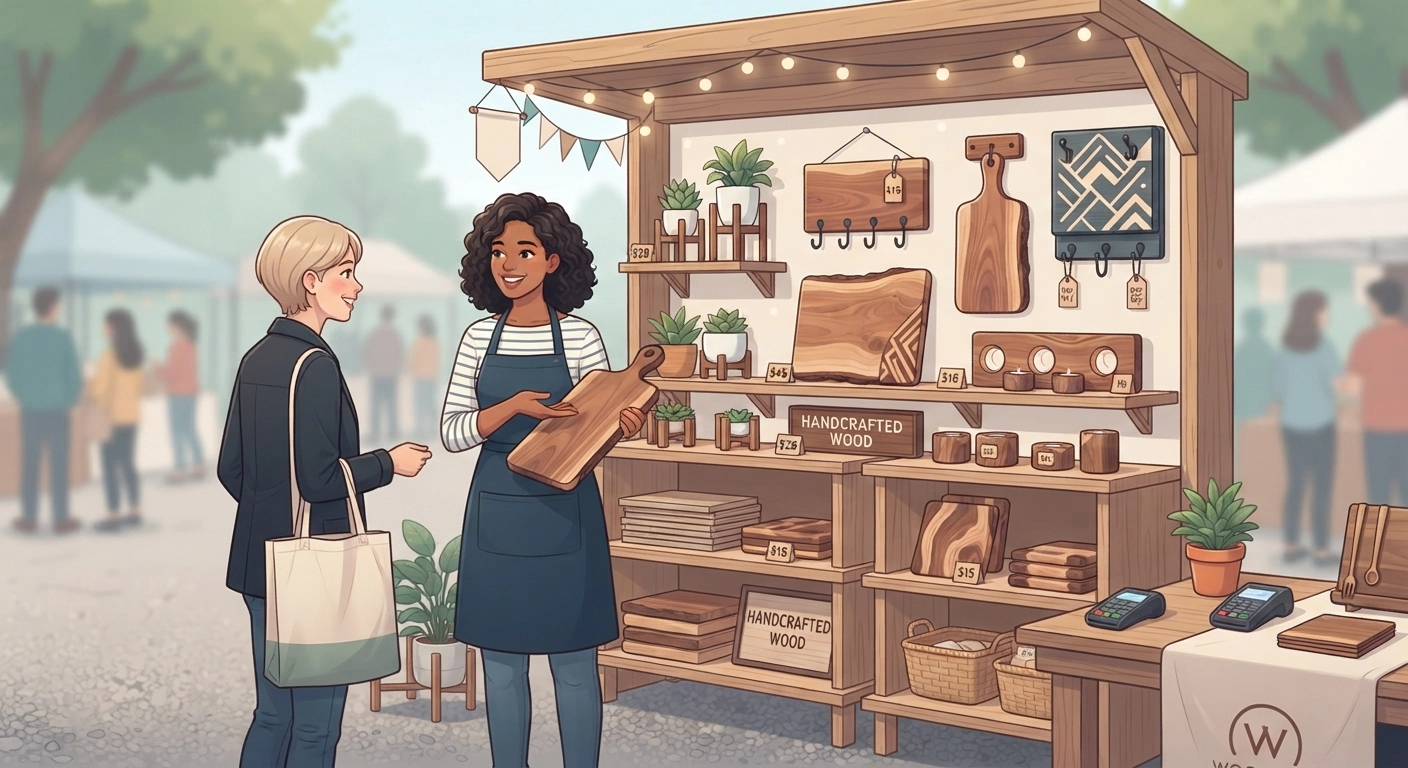
I’ve tested dozens of product ideas over the years. These 15 beginner woodworking projects have proven themselves month after month. Each one is simple enough for a first-weekend builder, yet polished enough to command a real price. Let’s dive in.
1. Mid-Century Modern Plant Stands
Houseplant obsession isn’t fading. People need plant stands with angled legs and a clean, tapered silhouette. I make mine from select pine with a walnut stain finish. Material cost runs about $8 per stand, and I sell them consistently for $45-55 at local markets. The angled leg cuts intimidate beginners, but a miter box handles them easily.
2. Magnetic Bottle Opener Catchers
This was my gateway project. A simple rectangle of hardwood, a wall-mounted bottle opener screwed to the front, and a rare earth magnet embedded in the backside to catch falling caps. Buyers love them as housewarming gifts. My cost was $6. I sold them for $28. Margins like that make woodworking projects that sell genuinely profitable from day one.
3. Rustic Floating Shelves
Floating shelves are deceptively simple. A hollow box with a hidden mounting bracket inside. I use 1×6 pine boards, pocket hole joinery, and a dark walnut stain. These sell best in sets of two or three. I’ve shipped hundreds of these across the country. The key is packaging them securely so corners don’t get damaged in transit.
4. Phone Docking Stations with Wireless Charger Cutout
Everybody has a phone, and nobody has a good place to put it. A simple wooden docking station with a slot for the phone and a hole routed underneath for a charging cable is incredibly functional. Add a small tray section for keys and you’ve solved two problems at once. These sell best when customized with buyer initials.
5. Child’s Step Stool (Namesake Edition)
Parents spend money on their kids. A sturdy wooden step stool with the child’s name painted or engraved on the side? That’s an emotional purchase. I build these from pine 1×10s with a simple butt joint construction and a safety rail on top. Material cost is $12. Personalized versions sell for $65 all day long on Etsy.
6. Wooden Book Ends
Geometric book ends made from glued-up hardwood are impossible to find cheaply at retail stores, and buyers know it. A simple L-shaped design with a routed chamfer on the edges looks expensive but takes twenty minutes to build. You’re competing against $50 metal bookends in home goods stores. Your handmade wooden version at $35 suddenly becomes the obvious choice.
7. Tea Light Candle Holders
Small, easily batch-produced, and endlessly customizable. I drill a line of tea light pockets into a block of walnut or maple and bevel the edges. These sell in sets of three as coffee table centerpieces and make fantastic holiday inventory. The material waste is minimal and the profit per unit is stellar.
8. Wooden Serving Trays with Handles
Remember Dave from the intro? His serving tray was his first profitable product. A flat panel with routed edges, two cutout handle slots, and a food-safe finish. I build mine from alder because it’s lightweight enough for breakfast-in-bed duty. These are my top-selling wedding gift item every spring.
9. Wall-Mounted Key Holders
Combine a small floating shelf or a simple backer board with brass hooks and a live edge detail, and you have a product that sells itself. People hate losing their keys. These take thirty minutes to build and the brass hardware adds a premium look without premium effort. I build ten at a time and sell out every craft fair weekend.
10. Pet Bed Frames
The pet industry prints money. A simple box frame sized to hold a standard dog bed cushion, painted white or stained warm oak, makes boutique pet stores look wildly overpriced. I build these from construction-grade pine, heavily sanded smooth, and offer sizes for small through large breeds. The large versions ship flat-pack with simple assembly instructions included.
11. Address Number Sign Plaques
Everyone wants curb appeal. A vertical or horizontal cedar plaque with routed grooves holding modern floating house numbers is a high-perceived-value product. I source zinc house numbers in bulk online, and the wood portion costs about $5 for cedar. Finished plaques sell for $55-85 depending on size. These make excellent woodworking projects that sell because they solve a permanent, visible problem outside someone’s home.
12. Blanket Ladder
This project taught me that simplicity sells. Two long rails with five crossbars, leaned against any wall. That’s it. No moving parts. No complex joinery. I build mine from select pine and offer whitewashed and dark walnut finishes. These sell between $75-110 depending on height. The shipping is expensive due to length, so I sell these primarily at local markets and through Facebook Marketplace.
13. Recipe Card Boxes
An underrated niche product with surprisingly steady demand. A simple lidded box with a slot to hold standard 4×6 recipe cards, plus divider tabs. I build these from aromatic cedar because the scent adds perceived luxury. Grandmothers buy them for granddaughters. Daughters buy them for their moms. It’s a sentimental purchase that rarely gets price-shopped.
14. Wall-Mounted Coat Racks
A backboard with staggered shaker pegs or modern hooks, mounted to a keyhole hanger on the back. These sell best in entryway-friendly sizes (24-36 inches wide). I source affordable cast iron hooks that make pine boards look high-end. These are my go-to recommendation for anyone just starting out with woodworking projects that sell because they’re fast to build and always in demand when the weather turns cold.
15. Desktop Monitor Stands
Remote work created a massive market for home office accessories. A simple riser shelf that lifts a computer monitor 4-6 inches off the desk, with storage space underneath for a keyboard. These work best in birch plywood with iron-on edge banding for a clean, modern look. Stain it walnut or leave it natural with a matte clear coat. I sell these consistently at $55-70.
If you’re looking to expand your crafting skills into other profitable categories, check out our guide on DIY Crafts to Make and Sell: 10 Profitable Ideas for 2026 for even more product ideas beyond woodworking.
Where to Actually Sell Your Woodworking Projects
Building a beautiful product is half the battle. Getting it in front of paying customers is the other half. I’ve sold on nearly every platform available, and each one favors different types of woodworking projects that sell.
Etsy: Still the King for Handmade Woodworking
Etsy’s search traffic is unmatched for handmade goods. Buyers come here specifically looking for handcrafted items. The platform’s algorithm rewards well-photographed listings with clear, keyword-rich titles. My Etsy shop accounts for roughly 60% of my woodworking revenue. The fees are worth it for the built-in audience. If you want help setting prices that actually generate profit after Etsy takes their cut, read our comprehensive Etsy pricing guide.
Local Craft Fairs and Markets
Nothing beats face-to-face interaction for building confidence and moving inventory quickly. I bring thirty to forty smaller items to a weekend market and typically sell out by Sunday afternoon. The key is having items at multiple price points: a $15 impulse buy like the tea light holders, a $35 mid-range item like the key holder, and a $75+ statement piece like the blanket ladder. Cash goes directly into your pocket, and you’ll learn more about customer preferences in one Saturday than in months of online selling.
Facebook Marketplace and Nextdoor
Local platforms favor larger pieces that are expensive to ship, like the blanket ladder and pet bed frames. These buyers want to see the product in person and avoid shipping costs. I list on Thursday evenings because most local pickup purchases happen on weekends. Include the dimensions in the first sentence of your listing to reduce back-and-forth questions.
Pricing Strategies That Maximize Profit Without Scaring Buyers
Pricing is where most beginners sabotage themselves. I’ve been there. The fear of charging too much leads to minimum-wage hourly rates, and suddenly the business isn’t sustainable. Here’s how to price woodworking projects that sell profitably from the start.
The 3x Material + Labor Formula Explained
Calculate your material cost for one unit. Multiply that by three. That covers consumables (sandpaper, finish, glue) and gives you a base profit margin. Then add your hourly labor rate. I charge $25 per hour for my time. So a blanket ladder with $15 in materials and two hours of labor prices at $95 ($45 base + $50 labor). This formula has never failed me.
When to Charge Premium Prices
Customization and personalization command premium pricing. An engraved name on a step stool easily adds $20-25 to the selling price for $2 worth of extra time. Buyers value uniqueness. Never compete on price—compete on the personal touch that factory-made goods fundamentally can’t offer.
Psychological Pricing Tricks That Work
$49 reads significantly cheaper than $50, and we all know this works even though we know about it. More importantly, offer bundles. A set-of-three tea light holders at $45 feels like a deal compared to $19 each, even though you’re making more money on the bundle through reduced packaging effort.
Common Mistakes Beginners Make When Selling Woodworking
I’ve made every mistake in the book so you don’t have to. These are the specific pitfalls that kill momentum for new makers trying to sell woodworking projects that sell.
Overcomplicating the Design
My first cutting board had juice grooves, hand-grip cutouts, and an end-grain checkerboard pattern. It took eight hours and when it warped slightly, I lost all that effort. The simpler board design that followed (face grain, rounded corners, one wood species) took forty-five minutes and sold faster. Complexity doesn’t equal profitability.
Ignoring Photography and Presentation
An average product with stellar photos outsells a stellar product with average photos every single time. You don’t need a professional camera. You need natural light, a clean background, and lifestyle shots showing the item in use. For a monitor stand, show it on an actual desk with an actual monitor and a tidy workspace. Context sells.
Undervaluing Shipping Costs
Before finalizing any product design, I now box it up and weigh it with packaging materials included. Shipping costs can eat entire profit margins on heavier items. The pet bed frame taught me this lesson the hard way on my first three sales. Now I design with shipping weight in mind. The phone docking station exists because it’s featherweight and ships for under $8.
Quitting Before the Algorithm Catches Up
Etsy’s algorithm and Google’s search rankings both reward consistency over time. I nearly quit three months in when my shop had zero sales. Then someone found my listing through a Google search, left a five-star review, and suddenly Etsy started showing my products more frequently. That one review was the catalyst. Persistence pays when you’re building an inventory of woodworking projects that sell.
If you’re considering whether to invest in a tool like a laser cutter to expand your product capabilities, check out our detailed comparison of Glowforge vs Cricut for DIY businesses before making a purchase decision.
Frequently Asked Questions
What is the easiest woodworking project to sell for beginners?
The wall-mounted key holder is hands-down the easiest profitable project. It requires cutting a single board to length, sanding it, and screwing in pre-purchased hooks. You can build five in an hour with basic tools, and they sell consistently between $20-30 each. The material cost is under $5.
Do I need a business license to sell woodworking projects?
This depends entirely on your local laws, but in most U.S. jurisdictions, you’ll need at minimum a seller’s permit if you sell at craft fairs or through your own website. Etsy handles sales tax collection in many states, which simplifies things. I registered as a sole proprietorship through my county clerk’s office, which cost $40 and took fifteen minutes.
Can I sell woodworking projects if I don’t own a workshop?
Absolutely. I started on my apartment balcony with a clamped-down workbench and a tarp for dust control. For power tools, I used a local makerspace that charged $35 monthly for equipment access. Once sales were consistent, I reinvested profits into a garage setup. Starting small and validating your products before investing in space is a smarter path.
How do I ship wooden furniture without it getting damaged?
Double-box fragile corners. I wrap the item in kraft paper, then surround it with at least two inches of bubble wrap or foam on all sides, and place that into a snug outer box. Shipping companies genuinely handle packages roughly, so pack your work as if it might be dropped—because it will be. For flat-pack items like the pet bed frame, disassembly and clear printed instructions prevent damage during transit.
What kind of wood is best for beginner projects that sell?
Select pine is the beginner’s best friend. It’s affordable, widely available, and takes stain beautifully for a high-end look. For items like the tea light holders and recipe boxes, I upgrade to walnut or maple because the smaller sizes keep material costs low while the hardwood look commands higher retail prices.
How long does it take to earn consistent income from selling woodworking projects?
Most makers I’ve mentored see consistent weekly sales within three to six months of launching seriously. The first two months are typically the slowest—you’re building inventory, learning photography, and waiting for the first reviews. After that organic growth compounds, especially if you list new products regularly and maintain excellent customer communication.
Should I focus on online sales or in-person markets?
If you build smaller, easily shippable items, prioritize Etsy and social media. If your work skews larger or heavier, local markets and Facebook Marketplace will serve you better. I balance both: online covers my fixed monthly bills and local markets provide immediate cash flow and real-time customer feedback that improves my product designs.
Start Building Your First Profitable Woodworking Project This Weekend
The biggest obstacle between you and a profitable woodworking side hustle is simply starting. I’ve given you fifteen proven project ideas, a realistic tool list, and a pricing formula that actually works. Pick one project from this list. The phone docking station or the key holder, maybe. Build three of them. Photograph them on your kitchen table near a window with good light. List them this weekend.
The first sale feels ridiculously good, and that momentum compounds faster than you’d expect. I’ve watched complete beginners build six-figure woodworking businesses, not because they were gifted, but because they were consistent and built what customers actually wanted. Now it’s your turn. Need help figuring out which project matches your current skills and tools? Explore our full collection of DIY crafts to make and sell and find your perfect starting point today.